There is a story that needs to be told. It's not an easy story, but it's ours.
It begins with land.
For generations, Black South Africans lived on land that was theirs—not because a piece of paper said so, but because their ancestors were buried there, because their children were born there, because their cattle grazed there under open skies. The land knew their footsteps. The soil held their sweat. The grass grew thick from the work of their hands.
And on that land, there were cattle.
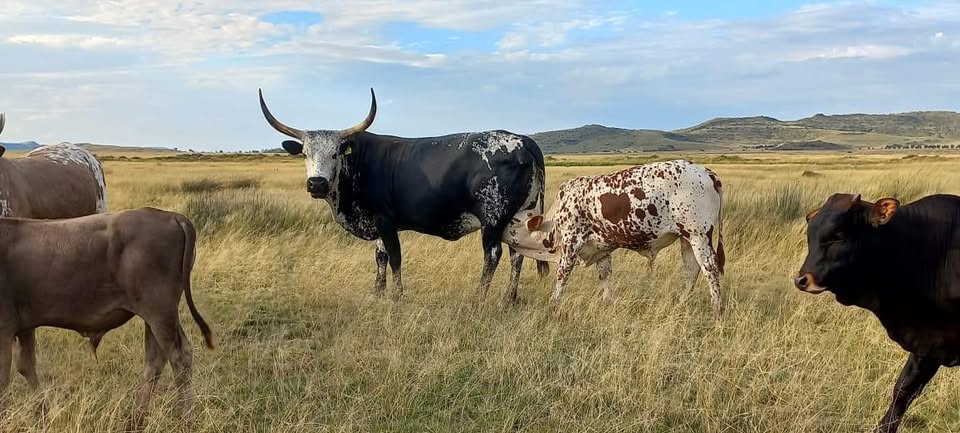
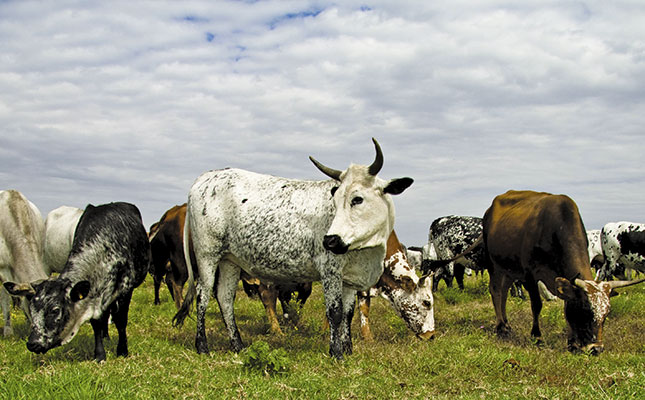
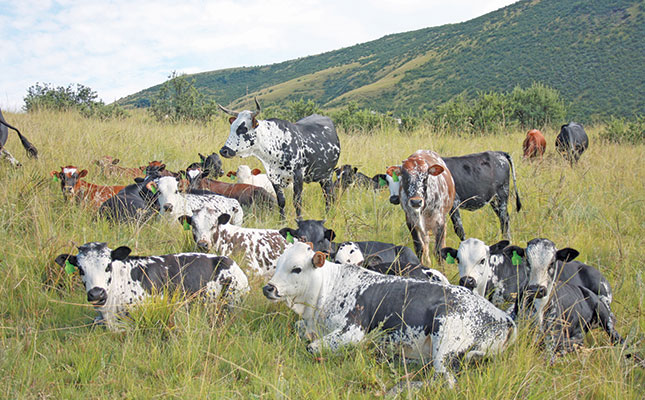
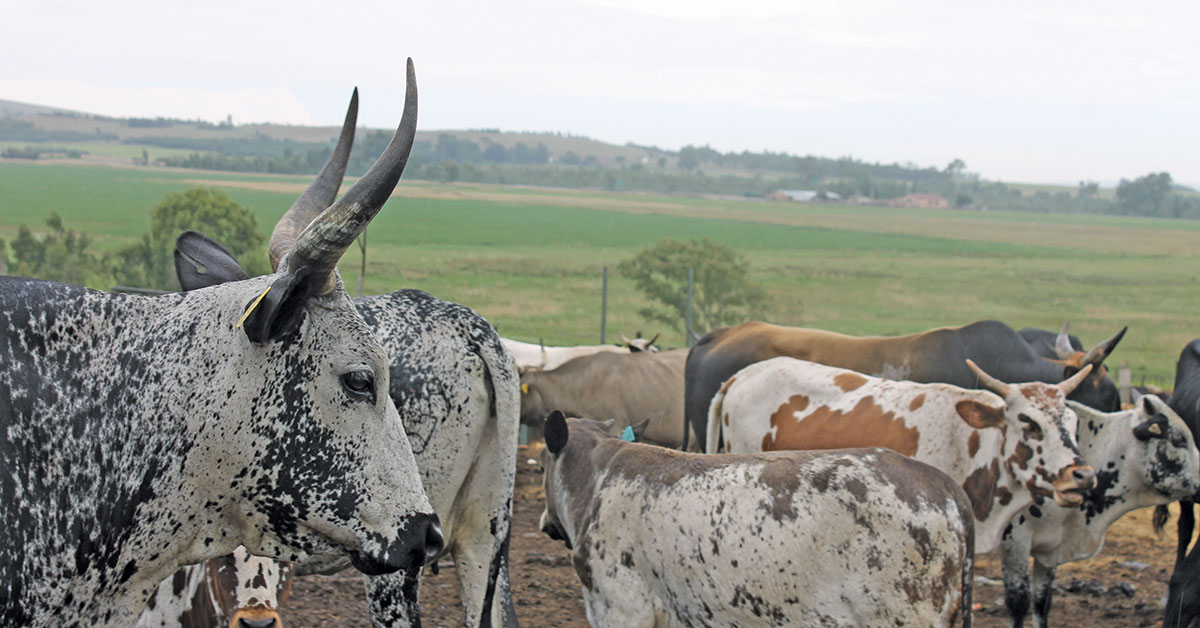
Not just any cattle. Nguni cattle—animals whose patterns told stories, whose colors carried meaning, whose presence was woven into the very fabric of who people were. These weren't livestock in the way we think of the word today. They were family. They were security. They were the thread connecting past to present to future.
Then came 1913. The Natives Land Act. 1936 brought the Native Trust and Land Act.
With the stroke of a pen, Black South Africans were told they could no longer own land in 87% of the country. Families were removed from their homelands—some through negotiation that led nowhere, others through deceit and force, all through laws that cared nothing for history or heritage.
The cattle went too. Stolen, sold under duress, lost in the chaos of forced removals.
People were pushed toward cities, crammed into places carved out on the outskirts—Soweto, Spruitview, Soshanguve, Mamelodi. Small homes where neighbors lived so close you could hear them breathe. Places without land. Places without space for cattle. Places designed to break the connection between people and the earth that had sustained them.
Cattle were never just animals.
Imagine a young boy growing up in his grandmother's homestead, waking each morning to the sound of cattle stirring. His grandfather points to a particular Nguni cow and says, "That one paid for your father's school fees."
The boy grows up knowing the stories. That ox was slaughtered when Uncle Sipho married Aunty Dineo. That cow paid hospital bills when father fell ill. Another was sold when death came unexpectedly and funeral costs seemed impossible. Cattle covered losses when jobs disappeared. They celebrated graduations, secured lobolas, built futures.
Children watched and learned.
They saw the cattle who put them through school and university. They saw the cattle who paid for medical bills when their father was hospitalized. They saw the cattle who helped Uncle Sipho marry Aunty Dineo, who came through when unexpected death struck and funds weren't available for burial. They saw the cattle who covered losses when jobs were lost, who were slaughtered to celebrate graduations, who secured lobolas and built futures.
And they understood that one day, they would pass those very same cattle—or their descendants—on to their own children to do the same.
This was insurance. This was security. This was comfort. This was a system that had sustained families for generations—a living inheritance that breathed and grew and was always there when you needed it most.
When the land was taken and the cattle were lost, this entire system collapsed. Fathers couldn't point to cattle and tell their sons stories anymore. Families couldn't help each other through hard times the way they once did. The thread connecting past to present to future was cut. And perhaps most painfully, the knowledge began to fade—children grew up never seeing cattle, never learning their care, never feeling that connection. The cultural practices that had been passed down for centuries began to disappear.
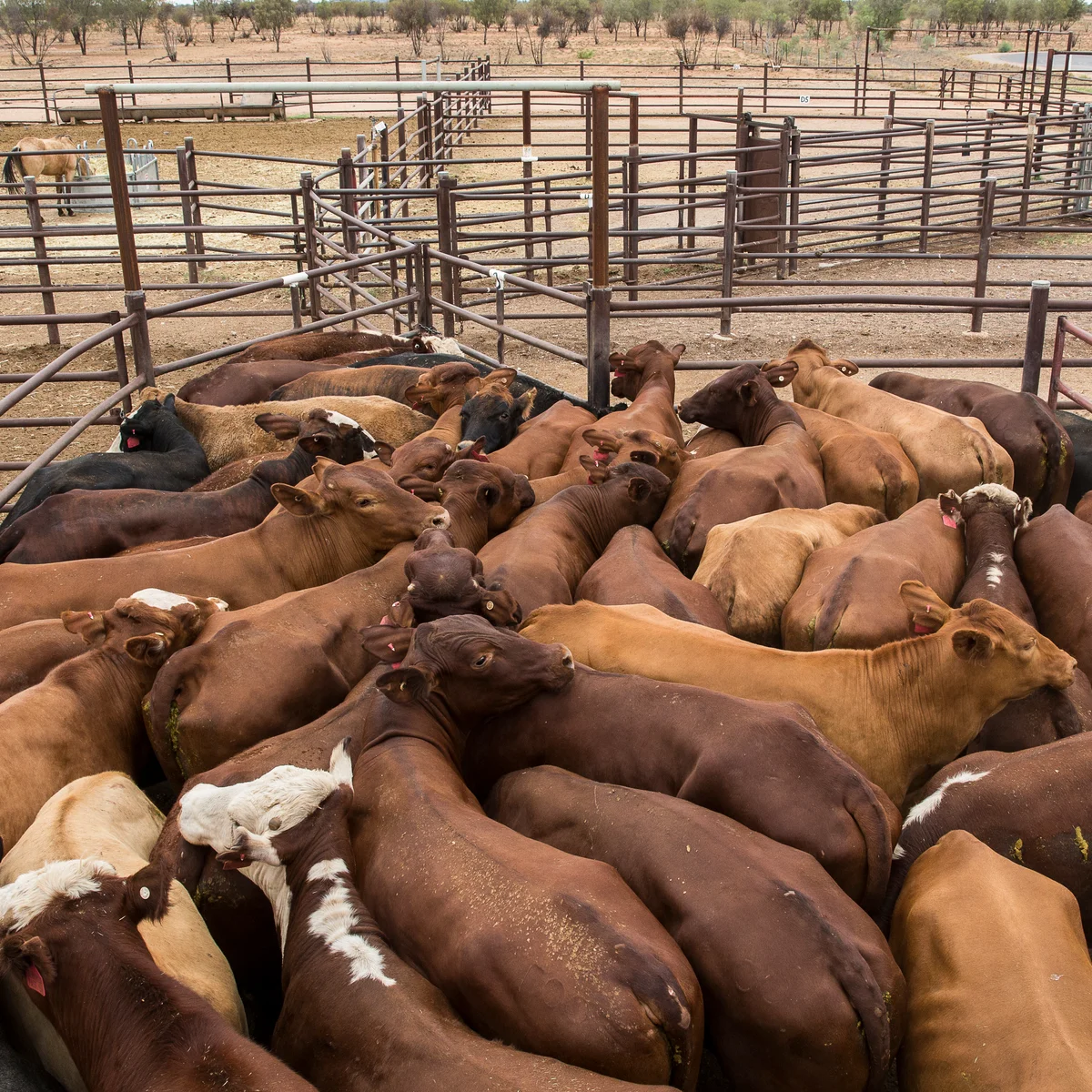
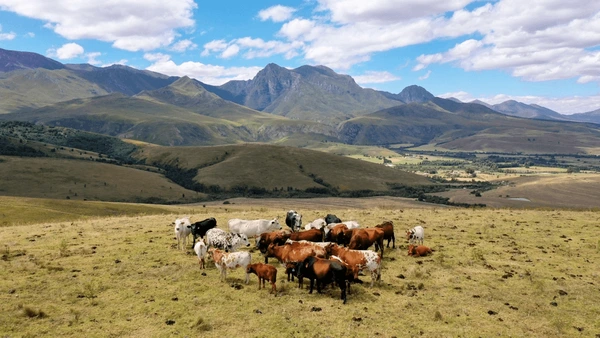
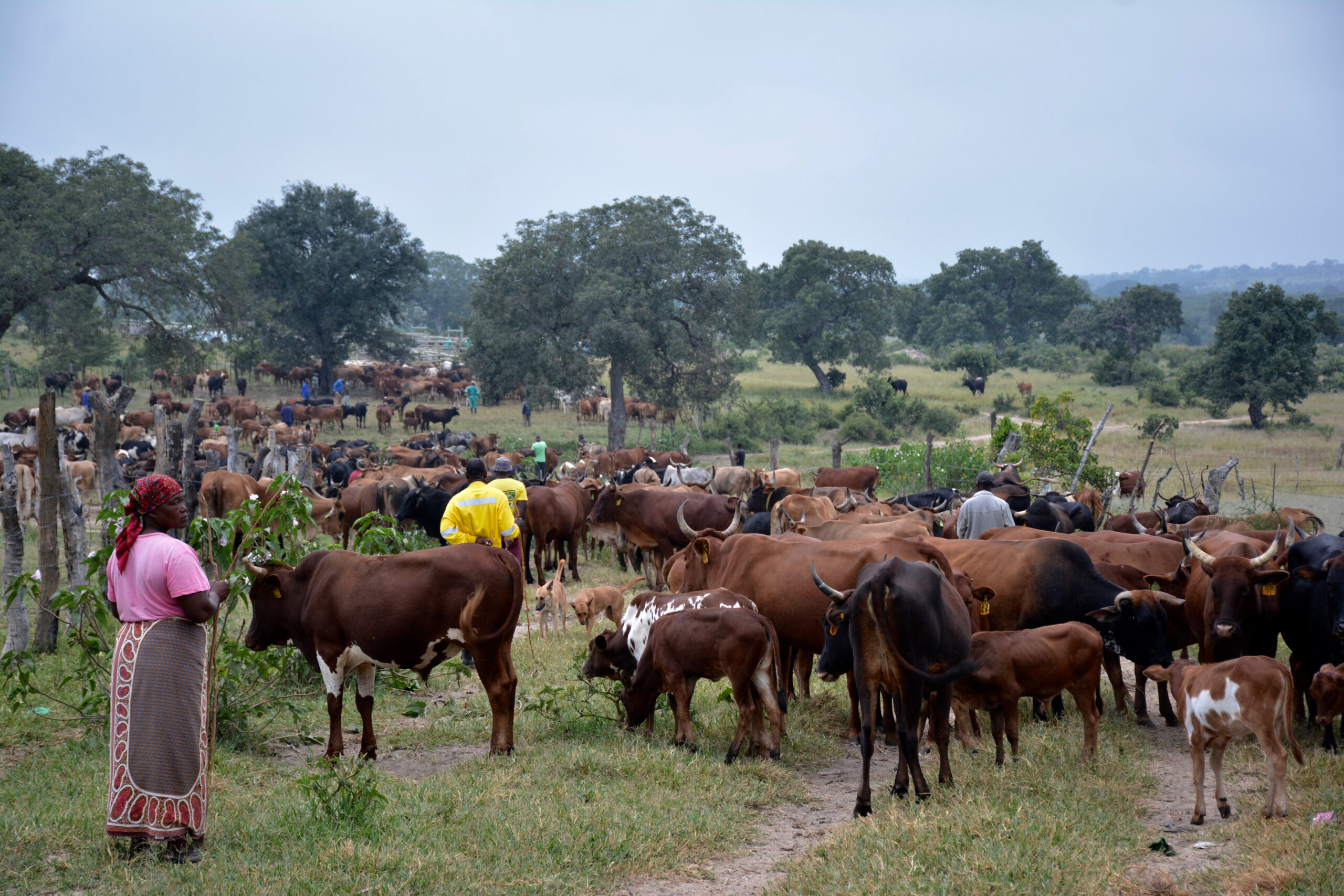
Today, more than a century after 1913, millions of South Africans live in cities. Many have done well—there's a growing middle class, people in suburbs and estates with careers and education their ancestors fought for.
But something fundamental is still missing.
They live close to where they work, but far from where their roots are buried. And even if they wanted to reclaim it—even if they wanted to own cattle again—they can't. There's no land to graze them. Urban spaces forbid it. The costs are prohibitive. The logistics impossible.
For most families, reclaiming the heritage of cattle ownership feels like trying to grasp smoke.
So what do we have left?
We have blood—the same blood our predecessors had, blood they used to work the land, blood they spilled fighting for it.
We have memory—stories passed down, growing fainter but still whispering: This is who you were. This is who you are.
We have land itself—our ancestors still lie in the soil they once owned. The earth remembers them.
And we have a choice.
We can accept that this is just how things are now. We can let the thread stay broken, let our children grow up even further removed from their heritage, let the loss become permanent.
Or we can do something about it.
Not by turning back the clock—we can't. Not by abandoning modern life—we don't need to.
But by finding new ways to honor where we come from. By refusing to accept that progress means erasing who we are. By reclaiming what was taken, even if it looks different than it did before.
It is our duty—our sacred duty—to restore this dignity.
Not just for ourselves, but for the generations coming after us. So that children can again see the cattle who put them through school, who helped their family through hard times, who they can pass on to their own children with pride, saying: This is ours. This is who we are. This is what was almost lost—but we brought it back.
Whether you are Zulu, Xhosa, Sotho, Tswana, Tsonga, Venda, Pedi, Ndebele, Mandarin, Cantonese, Brahma, Tamil, English, or Afrikaans—whether you are a stokvel, a family, friends, or just you—it doesn't matter. This heritage belongs to all of us. This dignity is for all of us to reclaim.
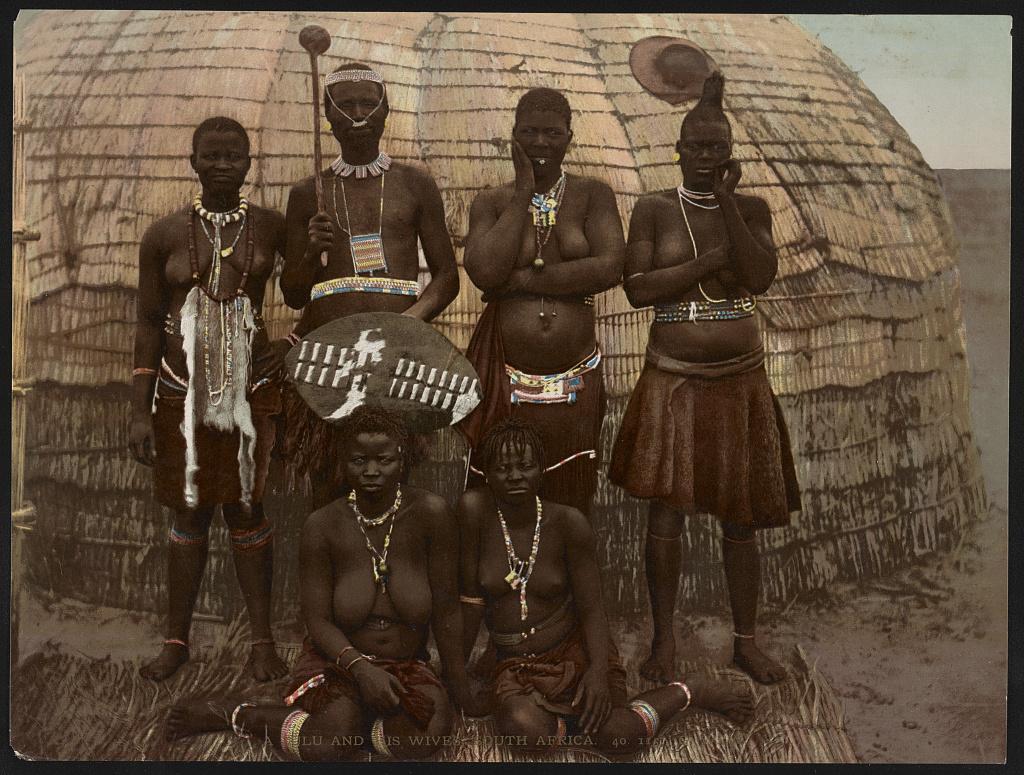

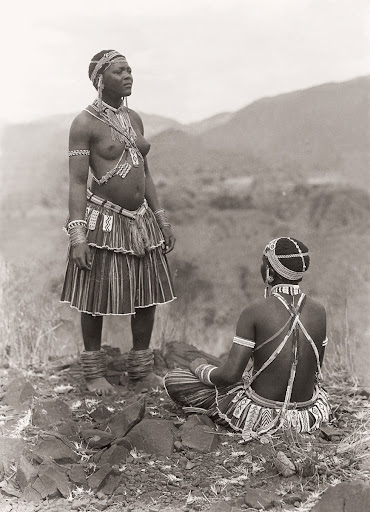
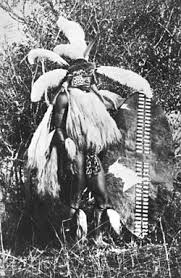

THIS IS OUR CULTURE. THIS IS OUR DIGNITY. THIS IS OUR INHERITANCE.
And it's time we reclaimed it.
We know that reclaiming this heritage in the modern world isn't simple. You can't just recreate the past. The land isn't available. The logistics are overwhelming. The costs are prohibitive.
But what if there was another way?
What if you could own cattle—your cattle—without needing land? Without the daily burden of care? Without sacrificing your urban life or career?
That's exactly what we've created.
The Cattle Keepers Service is a bridge between the world we live in now and the heritage we refuse to let die.
Here's the simple truth: We keep your cattle for you.
You purchase the cattle and their feed. We house them, care for them, and maintain them on our feedlot at no additional cost to you. Your cattle remain yours—always available whenever you need them.
We're able to offer this because you allow us to integrate your cattle into our feeding system. But rest assured: they are always yours, always accessible, always ready when the time comes.
From first-time buyers to serious wealth builders - there's a tier for everyone
*You'll be clustered with other keepers to reach tier requirements
*Same beef rewards as individual tiers
When you join the Keepers Club, you receive:
You will receive regular updates so you always know when your cattle are at their best weight for your intended use.
Life brings many moments when cattle are needed:
With a single payment for your cattle and their feed, you secure them for as long as you need—whether that's 1 year, 5 years, or more.
No recurring costs. No maintenance fees. No surprise charges.
Because you allow us to work with your cattle in our feeding system, we can cover the ongoing costs of their care. This means:
This gives you:
This is true household security.
The kind your great-grandparents had. The kind that was taken away. The kind we're helping you reclaim.
Whether you are Zulu, Xhosa, Sotho, Tswana, Tsonga, Venda, Pedi, Ndebele, Mandarin, Cantonese, Brahma, Tamil, English, or Afrikaans.
Whether you are a stokvel, a family, a group of friends, or just you.
It doesn't matter. All your cattle can stay with us as long as you need them—with just a single payment of the cattle and their feed.
Reclaiming Heritage Through Cattle Ownership
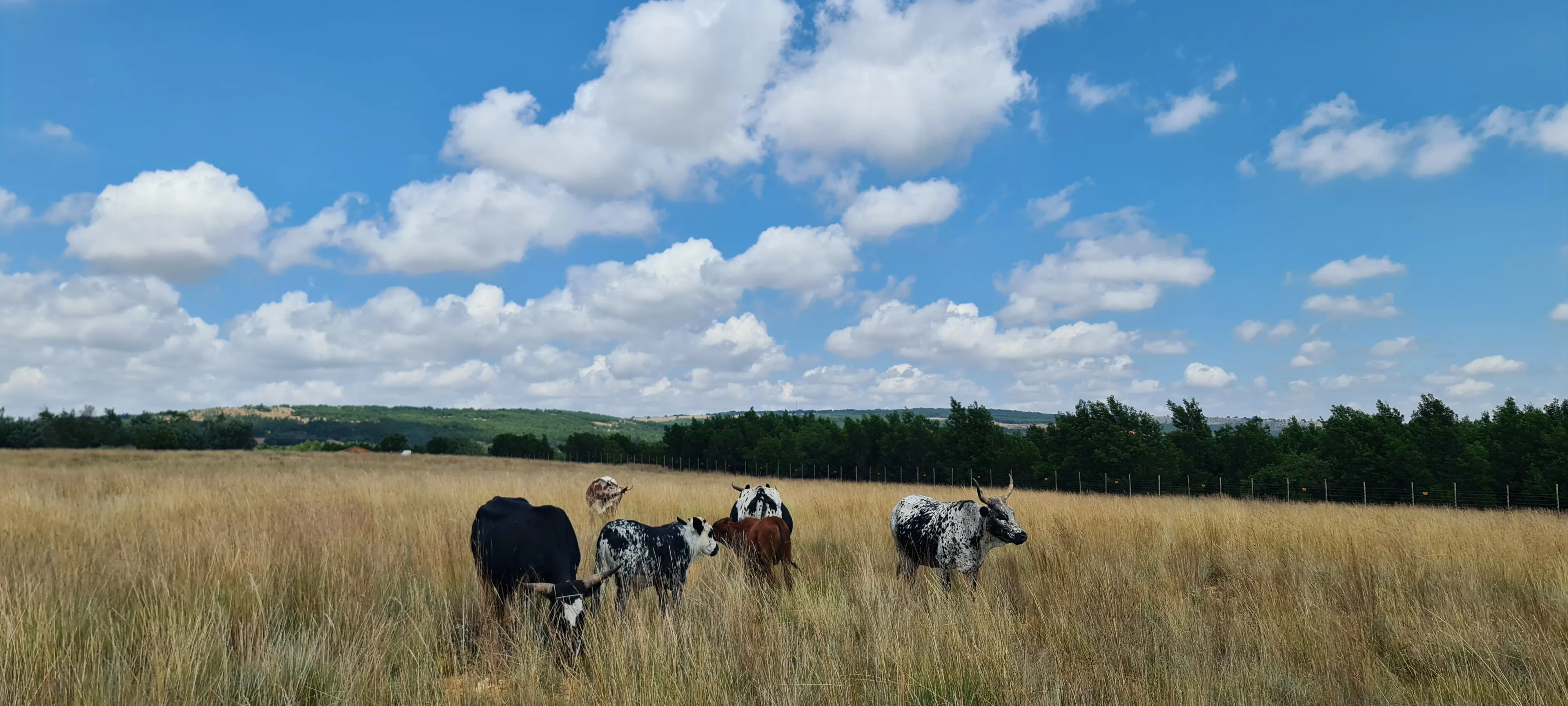
Everything you need to know about the Cattle Keepers Club
You receive beef rewards at both the 6-month and 12-month marks. The default option is collection at a designated site at a scheduled time that we coordinate with you.
If you prefer delivery to your location, this is available at an additional delivery fee. This gives you flexibility based on your convenience.
You can have your beef butchered however you prefer. Whether you want specific cuts, traditional portions, or any particular style of butchery - we can accommodate your requests.
Custom butchery services are available at an additional fee. Just let us know your preferences when you schedule your reward collection.
We recommend giving us at least one month's notice for optimal preparation. The minimum notice period is two weeks.
This allows us to ensure your cattle are at the right weight and condition for your intended use, whether that's lobola, a ceremony, or any other purpose.
Yes, you can access just one cattle. There's no minimum requirement - whether you need one cattle for a specific occasion or several, we accommodate your needs.
Yes, you can visit your cattle on scheduled occasions. We arrange farm visits for Keepers Club members who want to see their cattle and experience the feedlot operations firsthand.
Contact us to schedule a visit and we'll coordinate a suitable time.
As a Keepers Club member, you receive updates on:
You also get access to the Keepers Club community where you can connect with other cattle keepers who are on the same journey of reclaiming this heritage.
Indefinitely. There is no time limit. Your cattle can remain in our system for as long as you want - whether that's 1 year, 5 years, 10 years, or longer.
Your cattle are continuously maintained within our feedlot system, renewed and replaced on approximately 4-month cycles to ensure they're always in optimal condition when you need them.
We replace any cattle that die while in our care. Your cattle are protected.
Our mortality rate is the industry standard of just 0.1%, and we carry full insurance coverage. In the rare event of a loss, we handle the replacement at no cost to you.
Yes, you can sell your cattle at auction if you prefer. We can arrange the sale on your behalf, and you receive the market value that the auction determines.
Please note that auction sales involve additional costs compared to direct use or slaughter. We'll explain all fees transparently when you make this request.
Yes, absolutely! You can start at any tier and purchase additional cattle later to grow your herd. Many members start at Bronze and build up over time.
Additional purchases also include feed for those cattle indefinitely - the same benefit as your original purchase. There are no limits on how many times you can add cattle to your holdings.
This is what makes the Keepers Club sustainable: you allow us to integrate your cattle into our feedlot operations.
Your cattle are cycled through our commercial feeding system approximately every 4 months. This process generates the inputs we need to maintain your cattle indefinitely - it's a mutually beneficial arrangement.
You retain full ownership and access rights at all times. Your cattle are always there when you need them.
While we don't guarantee specific breeds or colors by default, you can make special requests and we will do our best to accommodate them.
If you have specific requirements for lobola, traditional ceremonies, or religious observances, let us know in advance and we'll try to source cattle that meet your needs.
Please note: Coordination with traditional leaders or ceremony planning is your responsibility - we focus on ensuring you have the right cattle ready when you need them.
The two programs serve different purposes:
Can you join both? Yes, if there's capacity available. Some members choose to have cattle in the Owners Club for returns while also maintaining cattle in the Keepers Club for cultural purposes.
Which should you choose? If your priority is financial returns with guarantees, choose the Owners Club. If your priority is owning cattle for cultural, traditional, and family purposes, choose the Keepers Club.
The pricing reflects the different value propositions of each program:
The Keepers Club pricing structure also reflects the cultural and heritage value of true cattle ownership - having cattle that are genuinely yours, accessible whenever life calls for them, for generations to come.
Group ownership is managed through contracts that define the ownership structure, access rights, and decision-making process for all members.
When your stokvel or group joins the Keepers Club, we work with you to establish clear terms that protect everyone's interests.
No. We respect the group structure. Individual members cannot access the group's cattle without proper authorization from the group as defined in your ownership contract.
This protects everyone's cattle and ensures the group operates fairly.
How you divide the beef rewards is entirely up to your group to determine. We deliver the reward as specified by your tier - how the group splits it is your internal decision.
Many groups establish these arrangements in their ownership agreement upfront to avoid any confusion later.
We're here to help you understand exactly how the Keepers Club works and whether it's right for you.
Contact Us